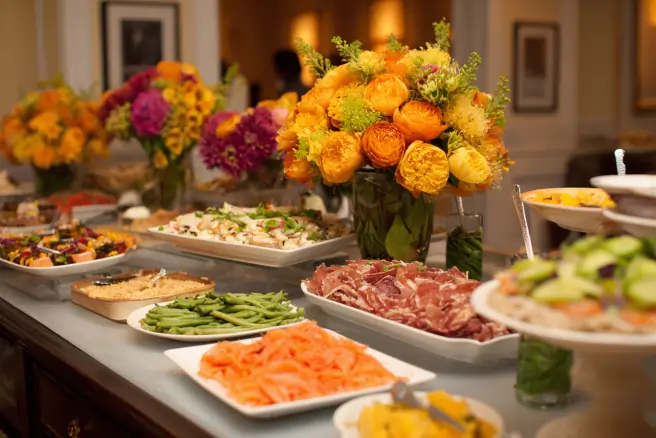
washington dc caterers

Expertise and Experience

Professional caterers bring years of expertise in handling events of all sizes and types. Their experience enables them to manage everything from menu planning to execution efficiently. They are well-versed in dealing with unexpected situations and ensuring smooth service throughout the event.

  • Skilled chefs create high-quality dishes tailored to the nature of your event.
  • Trained staff ensure professional service, from setup to clean-up.
  • Extensive experience means they anticipate potential issues and resolve them seamlessly.

Time-Saving Benefits

Organizing an event requires significant logistical planning. By entrusting food preparation and service to professionals, you save valuable time that can be redirected toward other important aspects of your event.

  • No need for grocery shopping or meal preparation.
  • Caterers handle setup, serving, and cleanup, saving hours for hosts.
  • Allows hosts to focus on guests instead of worrying about kitchen responsibilities.

Stress Reduction

  • Customized menu options accommodate diverse palates and dietary restrictions.
  • Caterers oversee every aspect, ensuring food is prepared fresh and served on schedule.
  • Reduced anxiety knowing experienced professionals are handling the catering.

Enhanced Guest Experience

Benefit How It Enhances Experiences
High-quality ingredients Ensures flavorful dishes prepared with care
Beautiful presentation Creates a memorable visual impact
Polished service Adds professionalism that reflects positively on the host

Cost Efficiency

  • Avoid over-ordering or under-ordering items by relying on expert estimates.
  • Access bulk purchasing discounts from suppliers through established relationships.
  • Minimize equipment rental costs as many caterers provide necessary items like serving trays or utensils.

Consistency in Quality

One major advantage of working with professional caterers is consistent quality across all dishes served. This consistency ensures guests enjoy uniformly excellent meals regardless of when they eat during the event.

By opting for professional catering services, you not only relieve yourself from various logistical challenges but also ensure a memorable dining experience for your guests. A professionally catered meal reflects attention to detail and hospitality that leaves a lasting impression.

How Washington DC caterers use professional service and attractive presentation to elevate your dining experience

Professional Service: Seamless Execution

  • Efficient Coordination: From menu planning to final execution, professional caterers handle all aspects of food service, including preparation, serving, and clean-up.
  • Trained Staff: Highly skilled servers provide courteous and attentive service that ensures each guest feels valued.
  • Timely Delivery: Caterers adhere to strict timelines, ensuring food is prepared and served fresh without any delays.
  • Problem-Solving Skills: Experienced teams can quickly adapt to unexpected situations such as last-minute guest count changes or dietary adjustments.

Attractive Presentation: A Feast for the Eyes

  • Plating Design: Carefully arranged dishes that not only look elegant but also highlight the quality of ingredients used.
  • Table Settings: Customized table layouts with coordinated linens, centerpieces, and serveware that match the theme of your event.
  • Buffet Displays: Creative buffet setups featuring tiered platters, color contrasts in dishes, or thematic decor elements.
  • Attention to Detail: Small touches such as garnishes or personalized place cards add sophistication.
Key Elements How They Enhance Experience
Plating Design Elevates visual appeal and boosts appetite
Thematic Decor Sets the tone for a cohesive ambiance
Buffet Layout Encourages interaction among guests while showcasing food options attractively

Creating Memorable Experiences

Combining high-quality service with artistic presentation transforms an ordinary meal into an unforgettable part of your event. Imagine servers circulating with impeccably plated hors d’oeuvres or beautifully presented dessert tables drawing compliments from every corner of the room. Such details create moments that resonate with guests long after the event has ended.

Ultimately, professional catering services are about more than just satisfying hunger; they are about creating experiences where every detail—from how dishes are plated to how staff interacts with guests—is designed to deliver excellence at all levels. These efforts elevate events from functional gatherings into memorable occasions filled with elegance and refinement.

Superior Service Enhances Guest Comfort

  • Efficiency: Caterers ensure that food is served promptly, eliminating long waiting times for guests.
  • Attention to detail: From keeping buffet stations tidy to refilling glasses, professional staff ensures every detail is attended to.
  • Polished interactions: Friendly and courteous communication adds an element of refinement to the entire dining experience.

The Role of Presentation in Dining Experiences

The visual appeal of food plays a critical role in setting the tone for an event, influencing how guests perceive both the meal and the overall event quality. Professional catering teams excel in creating beautifully presented dishes that align with your event’s theme or style.

Key elements of presentation include:
Color coordination: Thoughtful use of ingredients ensures vibrant, visually appealing plates. – Plating techniques: Every dish is arranged meticulously for maximum aesthetic appeal. – Table decor: Elegant table settings enhance ambiance, featuring components like centerpieces, linens, and coordinated tableware.

Customizable Presentation Styles

Caterers adapt their presentation style depending on the type of event—whether it’s an elegant black-tie gala or a casual backyard gathering:
| Event Type | Presentation Style | Examples |
|——————–|—————————————-|———————————–|
| Formal Events | Sophisticated plating & decor | Plated meals with garnish | | Casual Gatherings | Relaxed buffet setups | Rustic serving stations | | Themed Parties | Creative displays aligned with theme | Seasonal or holiday-inspired decor|

Memorable Culinary Displays

Professional caterers often incorporate unique features into their setups to captivate guests. These might include:
– Live cooking stations where chefs prepare dishes on-site. – Interactive dessert bars allowing guests to customize treats. – Artistic food carvings or edible floral decorations.

Why It Matters

A well-presented meal doesn’t just look good; it creates excitement about what’s on offer while reflecting positively on you as the host. Paired with attentive service from expert staff, this elevates your event into something truly memorable.

Investing in professional catering services ensures that every aspect—from taste to aesthetics—is carefully curated for maximum impact, leaving you free to focus on enjoying your occasion alongside your guests.

How Wedding Catering Washington DC Combines Professional Service and Stunning Presentation

Professional catering services from https://www.washingtondccatering.net go beyond just providing food; they create a memorable dining experience for you and your guests. This is achieved through a combination of impeccable service, attention to detail, and an aesthetically pleasing presentation. These elements work together to enhance the overall ambiance of your event, leaving a lasting impression on attendees.

The Role of Professional Service

  • Timeliness: Ensuring food is served promptly, maintaining the event schedule.
  • Polished Staff Presentation: Catering team members are often dressed in uniform or formal attire, adding to the sophistication of the occasion.
  • Attentiveness: Staff are skilled in anticipating guests’ needs, such as refilling drinks or accommodating special requests.
  • Efficient Cleanup: After the meal is served, caterers handle cleanup discreetly so you can focus on enjoying the event.

By offering these services seamlessly, professional caterers allow hosts and guests to relax without worrying about logistics.

The Importance of Visual Appeal

  1. Each dish is presented with finesse, using garnishes and plating designs that align with the theme of your event.
  2. Buffet setups often incorporate decorative touches—table linens, floral arrangements, and creative signage—that complement the overall atmosphere.
  3. Even small details like matching serving utensils or using coordinated serving trays can elevate the visual presentation.
  4. Sushi bars or dessert stations not only engage attendees but also add an extra layer of sophistication.

Creating Memorable Experiences Through Ambiance

Aspect Description
Lighting & Layout Caterers often collaborate with event planners to ensure venue lighting enhances food displays.
Custom Menus Unique menus tailored specifically for events create personalized experiences for guests.
Service Style Options Choices like plated meals vs buffet-style allow hosts to set their preferred tone.

The combination of excellent customer service and thoughtful presentation ensures every guest leaves impressed and satisfied—whether you’re hosting a wedding reception or a corporate gala.

By leveraging expertise in both hospitality and design, professional catering services turn simple meals into extraordinary occasions worth remembering.

Discover Cost Efficiency and Value with Corporate Catering Washington DC Services

Economies of Scale

Professional caterers purchase ingredients in bulk from suppliers, often at discounted rates. This allows them to reduce costs per serving compared to what an individual might spend when shopping for smaller quantities at retail prices. These savings are passed on to the customer as part of the overall service package.

Reduced Waste

Caterers are skilled in estimating portions based on guest counts. They carefully calculate how much food is required, minimizing waste while ensuring there’s enough for everyone. This efficiency reduces unnecessary expenses associated with over-purchasing ingredients.

Time-Saving Benefits

Preparing food for an event can be time-consuming, especially if you’re aiming for high-quality results. Caterers handle all aspects of food planning, preparation, cooking, and service, allowing you to focus on other important aspects of your event while saving hours of labor.

Customized Packages

Most catering companies offer flexible pricing packages tailored to different budgets and needs. Whether you’re hosting a small gathering or a large-scale event, you can choose from a variety of options that align with your financial plan without compromising quality or service.

Convenient Food Delivery Washington DC: Value-Added Catering Services

  • Menu Planning Assistance: Caterers work with clients to design menus that suit the theme, dietary requirements, and preferences of guests.
  • Trained Staff: Many catering services include servers, bartenders, and other trained personnel who ensure smooth operations during the event.
  • Equipment and Setup: Catering companies often provide essential dining equipment such as tables, chairs, cutlery, glassware, and linens as part of their package. This saves clients from renting items separately.
  • Streamlined Service: From setup to cleanup after the event ends, caterers manage all logistical aspects related to food service so that hosts can enjoy a hassle-free experience.

Sample Cost Breakdown Table

Expense Category DIY Costs (Approx.) Catering Costs (Approx.)
Ingredient Purchase $600 Included in package
Labor Time (Cooking/Setup) ~15–20 hours Included in package
Equipment Rental $300 Often included
Cleanup Personal effort/time Managed by caterer
Total Estimated Cost ~$900–$1000+ ~$800–$1200

This table demonstrates that DIY efforts may not necessarily save money when factoring in hidden costs like time investment and rentals.

By leveraging professionals’ expertise and resources, you not only ensure high-quality results but also streamline your expenses effectively—making catering services a smart investment for any event.

Ensuring hygiene and safety in food preparation with expert caterers

When it comes to event planning, one of the most critical factors that cannot be overlooked is food safety and hygiene. Professional catering services stand out in this area, as they adhere to rigorous standards to ensure that meals are not only delicious but also safe for consumption. Here’s a detailed look at how expert caterers prioritize hygiene and safety in food preparation.

Strict Compliance with Food Safety Regulations

  • Proper temperature control during storage, cooking, and serving.
  • Regular sanitization of kitchen equipment and preparation areas.
  • Use of certified suppliers for sourcing fresh and quality ingredients.

These practices help mitigate risks associated with foodborne illnesses.

Experienced Staff with Food Safety Training

  • HACCP (Hazard Analysis and Critical Control Points) – Identifying potential risks in food handling processes.
  • ServSafe Certification – Training on proper cleaning, cooking temperatures, allergen management, and more.

Trained teams ensure that every step of the food preparation process is meticulously monitored.

Use of High-Quality Equipment

Equipment Type Purpose
Commercial-grade refrigerators Ensures optimal storage temperatures for raw ingredients
Handwashing stations Promotes frequent handwashing during meal prep
Food thermometers Verifies safe internal cooking temperatures

By utilizing state-of-the-art tools, caterers minimize contamination risks.

Allergen Awareness and Cross-Contamination Prevention

  • Separate utensils and cutting boards are used for different types of food (e.g., raw meat versus vegetables).
  • Ingredients are clearly labeled to identify allergens like nuts, dairy, or gluten.
  • Buffet setups often include signs listing potential allergens for transparency.

This attention to detail reflects their commitment to guest safety.

Routine Inspections and Audits

Reputed catering companies frequently undergo inspections by health authorities as well as internal audits. These evaluations assess sanitation practices, ingredient quality, employee training programs, and more. A company’s willingness to remain compliant demonstrates their dedication to maintaining high standards.

Benefits of Prioritizing Hygiene with Expert Caterers

  1. Peace of mind knowing all meals are prepared safely.
  2. Reduced risk of guest complaints due to unsafe or poorly handled food.
  3. A positive reputation for hosting events where health considerations were prioritized.

In summary, hiring expert caterers ensures not only a memorable dining experience but also guarantees that all necessary measures have been taken to provide a safe environment for your guests. Their expertise in hygiene protocols underscores their professionalism while allowing you to focus on enjoying your event stress-free.

Adaptation to Diverse Nutritional Needs with Customized Catering Solutions

When planning an event, accommodating the diverse dietary requirements of your guests is crucial. Professional catering services excel in providing tailored solutions to meet specific nutritional needs, ensuring all attendees can enjoy a satisfying and safe dining experience.

Understanding Individual Dietary Preferences

Guests often have unique preferences or restrictions based on health conditions, allergies, cultural practices, or personal choices. Catering companies are skilled at addressing these dietary considerations, which may include:
Vegetarian and Vegan Options: Caterers can provide plant-based dishes that are both flavorful and balanced in nutrients.
Gluten-Free Alternatives: For individuals with gluten intolerances or celiac disease, caterers ensure meals are free from cross-contamination while still being delicious.
Dairy-Free Dishes: Options for lactose-intolerant guests or those avoiding dairy can be easily incorporated into the menu.

Addressing Food Allergies and Intolerances

Professional caterers prioritize food safety by taking food allergies seriously. They implement measures to prevent cross-contact and ensure all ingredients are clearly labeled. Common allergens they work around include:
– Nuts (e.g., peanuts and tree nuts)
– Shellfish or seafood
– Eggs and soy-based products

By working closely with clients during the planning process, caterers gather detailed information about potential allergens to design a menu that minimizes risks for sensitive guests.

Cultural and Religious Dietary Accommodations

Events often bring together people from various cultural backgrounds who may adhere to strict dietary guidelines based on religious practices. Expert catering teams can prepare meals aligned with these specific requirements. Examples include:
Halal-Certified Meals for Muslim attendees
Kosher-Certified Dishes for Jewish guests
– Custom menus for traditional cuisines such as Indian vegetarian fare or East Asian specialties

Benefits of Customized Catering Solutions

Advantage Description
Wide Menu Variety Guests can choose from a range of tailored options that suit their tastes
Enhanced Guest Satisfaction Meeting diverse preferences ensures inclusivity
Professional Expertise Caterers follow precise preparation techniques for specialized meals
Improved Health Standards Balance between flavor, quality, and nutritional value

Collaboration With Clients for Best Results

The key to seamless catering lies in collaboration between the client and catering team. Communication about guest preferences early on allows caterers to plan efficiently while maintaining high standards of service.

Customized catering ensures no guest feels excluded due to dietary restrictions or preferences. By accommodating diverse needs professionally, expert caterers elevate the overall experience of any event while prioritizing health, safety, and inclusivity.


Beautifully decorated catering banquet table set Catering service for corporate, christmas, birthday party event or wedding celebration corporate catering services stock pictures, royalty-free photos & images

Planning the perfect wedding menu is a critical part of creating a memorable experience for your guests. However, even with the best intentions, it’s easy to make mistakes that could derail your catering plans. Below is a comprehensive guide to help you design an exceptional wedding menu while steering clear of common pitfalls.

Planning Food Delivery Washington DC for Your Guest List

  • Dietary Restrictions: Ask guests about allergies or dietary needs, such as gluten-free, vegan, or nut-free options.
  • Cultural Preferences: Consider any cultural or religious food traditions that need to be respected (e.g., halal, kosher).
  • Age Groups: If children are attending, plan kid-friendly meals or simpler options.

By tailoring your menu to cater to all guests’ needs, you’ll ensure no one feels excluded.

Common Catering Mistakes and How To Avoid Them

  1. Mistake: Offering too many choices can overwhelm your guests and increase costs.
  2. Solution: Focus on a balanced variety—typically two protein options (e.g., chicken and fish), one vegetarian dish, and sides that complement the entrees.
  3. Mistake: Including out-of-season ingredients can result in bland dishes or high costs.
  4. Solution: Work with your caterer to design a menu based on fresh, seasonal ingredients available locally.
  5. Mistake: Running out of food due to small portions reflects poorly on the event.
  6. Solution: Consult with your caterer on portion sizes based on guest count and serving style (buffet vs plated meals).
  7. Mistake: Choosing dishes without sampling them may lead to disappointment on the big day.
  8. Solution: Schedule a tasting session with potential caterers to evaluate flavors and presentation.
  9. Mistake: Neglecting dietary preferences can alienate certain guests.
  10. Solution: Ensure there are at least two universally acceptable dishes for those with special diets.

Tips for Crafting a Memorable Menu

  • Incorporate Local Flavors: Highlight regional specialties that reflect either your venue’s location or cultural heritage.
  • Pair Food with Beverages: Collaborate with bartenders or sommeliers for wine pairings or signature cocktails that match your dishes.
  • Interactive Food Stations: Offer creative choices like live pasta-making stations or build-your-own taco bars for added guest engagement.

Sample Wedding Menu Breakdown

Course Example Dishes
Appetizers Caprese skewers; Mini crab cakes
Salad Mixed greens w/ balsamic dressing
Main Entrees Grilled salmon; Herb-roasted chicken; Stuffed portobello mushrooms
Side Dishes Garlic mashed potatoes; Seasonal vegetables
Desserts Assorted cupcakes; Lemon tarts

This layout ensures variety while keeping options manageable for both you and the catering team.

Catering plays an integral role in making sure your wedding day leaves lasting memories for everyone involved. By avoiding common mistakes like neglecting tastings or overcomplicating selections—and staying mindful of dietary needs—you can create an unforgettable culinary experience tailored perfectly for your special day.

Common Errors Washington DC Caterers See When Planning Wedding Reception Menus

Planning the perfect wedding menu requires careful thought and collaboration with your caterer. However, it’s easy to make mistakes that can have an impact on your guests’ dining experience. Here are some of the most common errors couples make when planning their wedding reception menu and how to avoid them.

Not Considering Dietary Restrictions

Failing to accommodate dietary preferences or restrictions is a common mistake. With food allergies, religious considerations, and lifestyle choices becoming more prevalent, it’s important to offer a variety of options.

Tips for accommodating all guests:
– Include at least one vegetarian or vegan entrée option.
– Label dishes clearly so guests can identify allergens such as nuts, dairy, shellfish, or gluten.
– Ask for dietary preferences in advance through RSVP cards or online forms.

Overloading the Menu with Too Many Choices

While variety is important, offering too many options can lead to logistical challenges and waste. Caterers often find it difficult to prepare multiple dishes efficiently while maintaining quality and presentation.

Streamlining your menu effectively:
– Choose 2-3 main courses (e.g., one meat option, one vegetarian option) rather than a large assortment of entrées.
– Focus on high-quality ingredients and presentation over quantity of choices. – Work closely with your caterer to create a balanced selection for appetizers, mains, and desserts.

Neglecting Timing and Service Style

Timing issues during the reception can disrupt the flow of events if food isn’t served promptly or if the chosen service style doesn’t align with the event timeline.

Service Style Description Best For
Plated Dinner Guests are served individually at their tables. Formal weddings with seated dining.
Buffet Guests serve themselves from food stations. Casual weddings with larger guest counts.
Family Style Food is served on platters placed at tables for sharing. Intimate gatherings promoting interaction.

Be sure to communicate with your caterer about how long each course will take so you can plan speeches, dancing, or other activities accordingly.

Ignoring Seasonal Ingredients

Choosing out-of-season ingredients not only increases costs but may also compromise flavor and freshness.

Why seasonal menus work better:
– Seasonal produce tends to be fresher and more flavorful. – Local availability lowers costs compared to sourcing imported ingredients. – It enhances sustainability efforts by reducing transportation-related carbon footprints.

Discuss seasonal options with your caterer during menu planning sessions.

Forgetting About Late-Night Snacks or Beverages

After hours of dancing and celebrating, some guests may want light snacks or additional drinks later in the evening. Couples who overlook this detail risk leaving their guests hungry toward the end of the event.

Popular late-night snack ideas:
– Mini sliders or tacos. – Pretzel bites with dipping sauces. – Dessert shooters like mousse or tiramisu cups.

Offer non-alcoholic beverage options such as coffee bars or flavored water stations alongside snacks for added convenience.

By avoiding these common mistakes when planning your wedding reception menu, you can create an enjoyable dining experience that leaves a positive impression on your guests while staying within budget constraints. Collaborate closely with experienced caterers who understand how to customize menus that reflect both practicality and personal taste preferences.

Mistakes Catering Company Washington DC Experts Want You to Avoid When Planning a Wedding Reception Menu

Planning a wedding reception menu is an integral part of creating a memorable day, but it’s also an area where common mistakes can happen. Avoiding these pitfalls can ensure your guests leave happy and satisfied. Below are some practical tips on what to watch for as you design the perfect menu for your wedding.

1. Ignoring Dietary Restrictions or Preferences

Failing to account for dietary needs is one of the most common errors when planning a wedding menu. Guests may have allergies, dietary preferences, or religious restrictions that impact what they can eat. To address this:
Ask for dietary details with RSVPs: Include a section on your invitations or RSVP cards that allows guests to specify food restrictions (e.g., vegetarian, gluten-free, nut allergies).
Offer variety: Provide at least one vegetarian or vegan option and consider dishes free from common allergens like nuts or shellfish.
Label clearly: Ensure buffet items are labeled with key ingredient details so guests feel comfortable.

2. Overloading the Menu with Too Many Options

While variety is important, offering an excessive number of dishes can overwhelm both the kitchen staff and your guests. A streamlined menu ensures quality over quantity while keeping costs manageable. Stick to these guidelines:
– Limit the menu to 2–3 entrée options (e.g., chicken, fish, vegetarian).
– Choose 1–2 appetizers per course instead of an extensive array.
– Focus on crowd-pleasers that cater to most palates instead of niche flavors.

3. Poor Portion Planning

Dish Type Standard Portion Size Per Guest
Protein (e.g., chicken/fish) 6–8 oz
Starch (e.g., rice/potatoes) 4–5 oz
Vegetables 3–4 oz
Dessert One serving per person

Tip: For cocktail hour hors d’oeuvres, plan approximately 6–8 bites per person if followed by dinner service.

4. Overlooking Beverage Options

It’s easy to focus heavily on food while neglecting drink pairings and availability throughout the event: – Offer non-alcoholic beverages like flavored water, iced tea, soda, and mocktails alongside alcohol options. – Consider pairing wines and cocktails with courses if budget permits. – Plan for coffee/tea service during dessert as some guests might appreciate warm beverages later in the evening.

5. Forgetting Seasonal Ingredients

Using out-of-season ingredients can compromise both flavor and cost-efficiency since such items are harder to source fresh at certain times of year: – Opt for seasonal fruits and vegetables that align with your wedding date. – Example: Summer weddings may include berries or peaches; fall menus might feature squash or apples.

Working seasonally also allows chefs greater flexibility in crafting flavorful dishes tailored specifically toward peak freshness during specific months.

Avoiding these mistakes requires thoughtful planning but ensures smoother coordination between you and potential caterers while delighting everyone at mealtime—an effort worth prioritizing amid broader event logistics planning efforts

Bartender pouring champagne into glass Bartender pouring champagne into glass, close-up corporate catering services stock pictures, royalty-free photos & images

Important Questions to Ask About Wedding Catering Washington DC for Your Special Day

When planning your wedding, the caterer plays a pivotal role in ensuring your day is memorable and enjoyable for everyone. To make sure you hire the right catering team, it’s vital to ask the right questions during your decision-making process. Below are some essential inquiries to guide you in choosing a caterer that aligns with your vision, budget, and needs.

1. What Services Do You Offer?

Not all caterers provide the same level of service. Understanding their offerings can help align expectations and avoid confusion later. Key points to clarify include:
Menu Options: Do they offer pre-set menus or custom menu creation?
Service Styles: Can they accommodate buffet-style meals, plated dinners, cocktail receptions, or family-style setups?
Additional Services: Do they provide tableware, linens, or decor? Will servers and bartenders be included?

2. Are You Familiar with Our Venue?

A caterer who has worked at your chosen venue may already be familiar with its layout and policies. Important follow-up questions include:
– Have you catered events at this location before?
– Are there any restrictions or requirements we should know about (e.g., outdoor setup limitations)?
– Will you handle setup and cleanup within the venue’s timeline?

3. What is Included in Your Pricing Structure?

Understanding cost transparency is critical to avoid surprises later on. Be sure to ask about:
| Item | Question Example | |———————|—————————————————| | Base Costs | What does the per-person price include? | | Hidden Fees | Are there additional charges for travel, staff gratuities, or overtime? | | Payment Schedule | What deposit is required and when is final payment due? |

4. Can You Accommodate Dietary Restrictions or Special Requests?

With diverse guest lists often comes the need for dietary accommodations. A professional caterer should be able to address these needs seamlessly: – Can you prepare vegetarian, vegan, gluten-free, or allergen-friendly dishes upon request? – How do you handle cross-contamination for guests with severe allergies? – Do you have experience crafting child-friendly menu options?

5. Can We Schedule a Tasting Before Committing?

A tasting session allows you to evaluate both food quality and presentation before making a final decision: – Is there an additional charge for a tasting session? – Will we sample items from our proposed menu or general selections from your repertoire?

6. How Do You Handle Last-Minute Changes?

Flexibility is key when planning an event as unpredictable as a wedding: – How much notice do you need if we adjust guest count numbers? – How do you handle weather-related changes (for outdoor receptions)?

By asking these essential questions upfront, you’ll gain confidence that you’re hiring a caterer who will deliver exceptional service on one of the most important days of your life. Taking the time to evaluate their experience and approach ensures smooth collaboration—and delicious results—on your special day.

Key Questions to Ask When Hiring Corporate Catering Washington DC for Your Event

Hiring a caterer for your special day is a significant part of the planning process, as the food served can leave a lasting impression on your guests. To ensure you choose the right caterer and avoid potential mishaps, it’s important to ask key questions during the selection process. Below is a guide on essential questions to ask, along with why they matter.

General Experience and Expertise

  • How long have you been in the catering business?
    Understanding their experience will help ensure they have handled events similar to yours. A seasoned caterer is more likely to handle unexpected challenges effectively.
  • Have you catered weddings before? If so, how many?
    Weddings often have unique needs compared to other events. A caterer experienced in weddings will understand timing intricacies and common expectations.
  • Do you specialize in any particular type of cuisine?
    If you’re looking for specific dishes or cultural menus, this question ensures their expertise aligns with your vision.

Menu Customization and Options

  • Can we customize the menu according to our preferences?
    Some couples have dietary restrictions, family traditions, or personal preferences that need customization. It’s vital to know if the caterer is flexible with menu design.
  • Do you provide options for dietary restrictions (e.g., vegan, gluten-free, allergies)?
    With diverse dietary needs among guests, it’s crucial that your caterer can accommodate those requirements without compromising quality.

Tasting Sessions

  • Do you offer menu tastings before finalizing the contract?
    A tasting session allows you to evaluate not just the taste but also presentation and portion sizes of their offerings before committing to them.

Logistics and Execution

  • How do you handle service during the event—buffet style, plated service, stations?
    The service style can affect everything from guest experience to costs. Clarify what’s included and whether they are equipped for your preferred serving method.
  • What time will your team arrive on-site for setup? How much time do they need for breakdown and cleanup?
    Knowing these details helps streamline event coordination with other vendors like florists or decorators.

Pricing and Inclusions

  • What is included in your pricing (e.g., linens, tableware)?
    Some caterers offer all-inclusive packages that include rentals such as utensils and glassware; others may charge extra for these items.
Item/Service Included in Price Additional Cost
Linens Yes/No Amount TBD
Tableware Yes/No Amount TBD
Glassware Yes/No Amount TBD

Staffing Levels

  • How many servers per guest are typically provided?
    Adequate staffing ensures efficient service during key moments such as dinner courses or beverage refills.

Contract Details

  • What are your payment terms (deposit amount and refund policy)? Understand upfront how much needs to be paid as a deposit and under what conditions refunds are applicable should there be an unforeseen cancellation.
  • Are there any hidden fees (e.g., delivery charges or overtime fees)? Asking about additional charges prevents surprises when settling invoices post-event.

By addressing these critical areas during initial discussions with potential caterers, couples can make informed decisions that align with both their budgetary constraints and culinary vision while ensuring seamless execution on their special day.


Male waiter serving food and drinks to business people in a restaurant. Mid adult waiter serving group of business people during lunch time in a restaurant. corporate catering services stock pictures, royalty-free photos & images

Family style dining is an approach to serving food that emphasizes community, connection, and shared experiences at the table. Unlike plated meals or buffet setups, family style dining involves large platters or bowls of food being placed in the center of the table for guests to serve themselves. This format encourages interaction among guests and creates a relaxed, communal atmosphere.

How It Works:

  1. Dishes are served in large portions on shared platters or in bowls.
  2. Each dish is portioned appropriately to ensure there’s enough for everyone at the table.
  3. Guests are seated at communal tables, fostering conversation and interaction during the meal.
  4. Waitstaff deliver the platters to the table but do not serve individual portions to each guest. Guests are encouraged to help themselves and pass dishes around as needed.
  5. Menus for family style dining typically include crowd-pleasing dishes that are easy to share, such as roasted meats, seasonal vegetables, salads, and breads.
  6. Caterers often balance variety with simplicity by offering a mix of proteins, starches, vegetables, and desserts.

Typical Flow of Family Style Dining:

Step Description
Preparation Caterers prepare dishes designed for sharing and portion them into serving platters before the event begins.
Platter Placement During service, staff place one platter per dish on each table or section of a long communal table.
Guest Involvement Guests take turns serving themselves from each platter and passing it along to others at their table.

Key Differences from Other Service Styles:

  • Buffet Style: Guests get up from their seats to serve themselves from a buffet line; in contrast, family style keeps all food at the table.
  • Plated Service: In plated meals, individual servings are pre-portioned in advance; family style lets guests control their portions directly.

Benefits of Family Style Dining for Caterers:

  • It reduces labor costs since fewer servers may be required compared to plated service.
  • Plating doesn’t need precise timing since food is served communally—this can save time during prep while still offering elegant dishes.
  • It allows caterers greater creativity with large-format presentations like whole-roasted fish or charcuterie boards.

Family style dining has grown increasingly popular across weddings, corporate events, and even casual gatherings due to its ability to create a warm yet sophisticated ambiance while keeping logistics manageable for caterers seeking efficiency without compromising quality client experience.

The benefits of Washington DC catering and family style dining for clients and event guests

Family-style dining has gained traction in recent years as a popular serving method for events ranging from weddings to corporate functions. This communal dining approach, where dishes are shared among guests at each table, offers numerous advantages that enhance the overall experience for both clients and their attendees.

Boost Social Interaction with a Catering Company Washington DC

One of the key benefits of family-style dining is the way it fosters social interaction. Guests pass around dishes, share food, and often engage in conversations sparked by the dining experience itself. This setup helps to break down barriers and encourages a sense of community at events.
– Promotes conversation by creating a relaxed atmosphere
– Encourages mingling across small groups
– Ideal for events like weddings where guest bonding is encouraged

Creating a Warm, Inclusive Atmosphere with Wedding Catering Washington DC

Family-style dining evokes a sense of home and comfort that plated or buffet service may lack. The act of sharing food feels personal and informal while still maintaining an elegant touch when planned thoughtfully. It eliminates rigid formalities without compromising sophistication.
– Brings a homely vibe while keeping the event professional
– Perfect for creating intimate experiences in celebrations

Elevate Your Events with Corporate Catering Washington DC

This approach to catering allows guests to enjoy variety without being restricted to pre-selected plates. By offering multiple dishes that cater to different dietary restrictions or preferences, everyone at the table can find something they enjoy. Clients can also showcase creativity by incorporating diverse cuisines into their menu.

Dish Category Example Dishes Notes
Proteins Herb-roasted chicken, Grilled salmon Accommodates meat-eaters
Vegetables Seasonal roasted veggies, Kale salad Appeals to vegetarian guests
Starches Garlic mashed potatoes, Wild rice pilaf Adds comfort elements
Desserts Mini cheesecakes, Fruit tarts Easy-to-share sweet endings

How Food Delivery Washington DC Can Help Reduce Food Waste

Unlike buffet-style events where large amounts of leftover food may go uneaten, family-style dining involves serving more precise portions to each table. This thoughtful approach ensures less waste while still providing enough variety.

Budget-Friendly Options

Although initial setup costs may appear higher due to staffing needs for plating and serving shared dishes, family-style meals often prevent over-ordering when compared with plated meals or buffets. For budget-conscious clients who want an upscale feel without unnecessary extravagance, this format strikes an excellent balance.

Builds Memorable Experiences

Because family-style dining creates shared moments over food—whether it’s passing bread baskets or discussing favorite courses—it leaves attendees with lasting impressions about their experience at the event.

By choosing this arrangement for catered occasions, clients can prioritize connection among their guests while offering diverse meal options reflective of personal tastes or cultural influences.

Family style dining potential challenges and how to overcome them

Family-style dining is an increasingly popular choice for events, offering a communal and intimate experience for guests. However, as with any catering format, it comes with its own set of challenges. Understanding these challenges and developing strategies to address them is essential for ensuring seamless service and guest satisfaction.

Common Challenges in Family Style Dining

  1. Challenge: Large serving platters require more table space, which can be difficult to accommodate in venues with smaller table dimensions or tighter seating arrangements.
  2. Solution: Opt for tiered serving platters or stackable trays that maximize vertical space without overcrowding the table surface. Work closely with the venue to ensure tables are adequately sized to fit all necessary components comfortably.
  3. Challenge: With family-style service, guests help themselves from shared platters, often leading to inconsistent portion sizes or excess food waste if quantities are overestimated.
  4. Solution: Carefully calculate portions based on the guest count and the type of menu items being served. Train servers to explain portion guidance subtly during service if needed. Providing smaller refillable platters can also help manage consumption while minimizing waste.
  5. Challenge: Guests sharing serving utensils may raise hygiene-related questions or discomfort among some attendees, especially post-pandemic.
  6. Solution: Offer individual serving utensils for each platter and encourage their use during pre-meal announcements by event hosts or staff members. Additionally, providing hand sanitizers at tables can reassure guests about cleanliness.
  7. Challenge: Coordinating the flow of multiple dishes simultaneously across tables can create bottlenecks or confusion among catering staff and guests alike.
  8. Solution: Develop a detailed schematic of how dishes will be served in a specific order (e.g., salads first, followed by proteins). Ensure clear communication among staff members regarding timing and roles during service.
  9. Challenge: Serving communal platters may leave some guests with dietary restrictions feeling excluded if careful planning is not undertaken.
  10. Solution: Clearly label dishes indicating allergens or restricted ingredients (e.g., gluten-free, vegetarian). Provide separate small plates for individuals with special dietary needs when necessary.

Strategies for Success

  • Advance Communication with Clients: Discuss specific needs, guest preferences, and any anticipated issues upfront during planning meetings.
  • Table Layout Planning: Work closely with venue coordinators to create layouts conducive to family-style service—ensuring accessibility without overcrowding.
  • Staff Training: Equip your team with knowledge about menu items, portion sizes, and proper service etiquette specific to this style of dining.
  • Creative Menu Design: Select dishes that are easy to share (e.g., carved proteins, roasted vegetables) while avoiding those that might become messy or difficult to serve communally.
  • Feedback Incorporation: After each event using this style of dining, collect feedback from clients as well as staff members on operational improvements.
Challenge Potential Solution
Space Constraints Use tiered platters; collaborate on table sizing
Portion Control Refillable smaller platters; train staff on portioning
Hygiene Concerns Provide separate utensils; offer hand sanitizer at tables
Service Logistics Create detailed plans; emphasize staff communication
Dietary Restrictions Label food clearly; provide custom plates where necessary

By proactively addressing potential complications through thoughtful preparation and execution strategies like these above approaches elevate client satisfaction while maintaining smooth operations throughout events utilizing family-style dining methods effectively catered toward diverse audiences/settings alike

Buffet table. Mini cold snacks, canapes, and appetizers for public catering. Food on wooden plates, serving board on festive table. Buffet. Celebration of birthday party, baptism, wedding, corporate. Buffet table. Mini cold snacks, canapes, and appetizers for public catering. Food on wooden plates, serving board on festive table. Buffet. Celebration of birthday party, baptism, wedding, corporate. corporate catering services stock pictures, royalty-free photos & images

A Few Essential Tips to Make Family Style Dining a Success Every Time

Family-style dining is an increasingly popular choice for events, offering a relaxed and communal approach to sharing meals. However, ensuring its success requires careful planning and execution. Below are essential tips to help caterers make family-style dining seamless and enjoyable for all attendees.

Plan the Menu Strategically

Creating the ideal menu is a cornerstone of successful family-style dining. Opt for dishes that are easy to share and cater to the guests’ preferences while maintaining variety.

  • Balance flavors: Include a mix of proteins, vegetables, starches, and sauces to ensure diverse options.
  • Dietary accommodations: Consider allergies, dietary restrictions, or special preferences (vegetarian, gluten-free).
  • Portion sizes: Offer adequate amounts for each table but avoid overwhelming guests with excessive leftovers.
Sample Menu Suggestions Description
Grilled Chicken Platter Served with roasted seasonal veggies
Pasta Primavera Vegetarian option with fresh herbs
Artisan Bread Basket Paired with dipping oils

Table Setup Matters

The layout of the table significantly influences how smoothly family-style dining unfolds. A well-planned setup ensures comfort and convenience for sharing dishes among guests.

  • Use lazy Susans on round tables to allow easy dish rotation without disruption.
  • Keep serving utensils near each dish to avoid confusion or delays.
  • Allow ample space between dish placements so guests can pass items easily without overcrowding.

Instruct Servers on Best Practices

  • Monitor refills: Staff should discreetly replenish empty dishes when necessary.
  • Assist elderly or physically limited guests: Help those who may struggle with passing plates or serving themselves.
  • Provide clear instructions: Ensure servers explain how food is served so attendees feel comfortable engaging in this style of dining.

Communication is Key

  1. Let clients know what family-style entails during planning stages.
  2. Share information about the menu ahead of time so dietary needs can be addressed early.
  3. Provide signage at tables when necessary (e.g., labeling dietary-specific plates).

Focus on Timing Coordination

  • Stagger platters if needed, ensuring warm items remain hot until served.
  • Have backup dishes prepared for larger parties where seconds may be required.

By addressing these elements proactively, you can elevate the appeal of family-style dining at any event while ensuring both clients and their guests leave satisfied with a memorable experience tailored just for them.

Summer food trends 2024: fresh ideas caterers can use to elevate menus

With summer just around the corner, catering professionals have a golden opportunity to refresh their menus with seasonal ingredients, bold flavors, and creative presentation styles. Summer 2024 is poised to emphasize sustainability, global influences, and wellness-centric offerings. Below are some fresh ideas that caterers can use to elevate their menus and delight clients.

Embrace Seasonal Ingredients

  • Stone fruits: Peaches, cherries, nectarines
  • Berries: Strawberries, blueberries, raspberries
  • Fresh herbs: Basil, mint, cilantro
  • Vegetables: Zucchini, corn, tomatoes

Creating dishes that highlight these ingredients will help caterers offer fresh and vibrant menu options that reflect the best of the season.

Wellness-Focused Options

  • Plant-based dishes: Cauliflower steak with chimichurri or jackfruit tacos
  • Superfood salads: Kale with quinoa, avocado, and pomegranate seeds
  • Infused water stations: Cucumber-lime or strawberry-mint infused water displays
  • Gluten-free or keto-friendly dessert options like almond flour tarts

By addressing dietary preferences and restrictions without compromising flavor or creativity, caterers can ensure inclusivity for all guests.

Global-Inspired Flavors

Cuisine Menu Inspiration
Mediterranean Grilled halloumi skewers with tzatziki
Korean Spicy gochujang-glazed chicken wings
Mexican Fresh ceviche served in mini taco shells
Indian Mango lassi shooters or spiced lentil fritters

Adding these diverse flavors will create a memorable culinary experience for guests.

Interactive Food Stations

  • Customizable poke bowl stations featuring sushi-grade fish and fresh toppings
  • DIY bruschetta stations with artisan breads and spreads

Guests enjoy being part of the creation process while still benefiting from high-end presentation.

Sustainable Serving Solutions

  1. Compostable plates and cutlery made from bamboo or palm leaves.
  2. Edible serving vessels like bread bowls or waffle cones.
  3. Zero-waste initiatives by repurposing leftover food where possible.

Demonstrating environmentally conscious practices not only aligns with modern values but also enhances your catering brand’s reputation.

Spotlight on Desserts and Beverages

  • Miniature ice cream sandwiches featuring gourmet flavors like lavender honey or tahini caramel.
  • Watermelon granita served in hollowed-out fruit shells.
  • Signature cocktails/mocktails such as elderflower spritzers or cucumber coolers garnished with edible flowers.

Desserts presented in unique ways—such as individual servings—offer both aesthetic appeal and practicality for large gatherings.

By focusing on seasonal produce, health-conscious choices, global influences, sustainability efforts, interactive elements, and innovative desserts/beverages within their offerings this summer season could bring elevated experiences across all catered events.

Creative ideas for caterers to collaborate effectively with food influencers

In the ever-evolving catering and events industry, collaborating with food influencers can provide a significant boost to your brand visibility, generate buzz around your offerings, and connect you with a wider audience of potential clients. Below are some creative and actionable ideas that caterers can use to build meaningful partnerships with food influencers.

1. Host Exclusive Tasting Events

Invite influencers to an exclusive tasting event where they can sample your menu in a curated setting. Ensure the event is visually appealing since food influencers thrive on capturing eye-catching images for their audience. Consider the following:
Themed decor: Create a theme that aligns with your catering style (e.g., rustic elegance, modern minimalism).
Interactive elements: Include live cooking stations or customizable dishes to engage attendees directly.
Gift bags: Provide small samples or branded items as takeaways for influencers to remember your brand after the event.

2. Collaborate on Social Media Campaigns

Work together on social media campaigns designed to promote both your catering services and the influencer’s personal brand. Ideas include:
Sponsored posts: Pay influencers to post photos or videos featuring your dishes at events they attend or host themselves. – Behind-the-scenes content: Invite them into your kitchen for behind-the-scenes footage of how meals are prepared. – Giveaways: Partner on giveaways where followers can win discounts, samples, or even full-service catering packages.

3. Develop Custom Dishes Together

Collaborate with an influencer to co-create a unique dish or menu item that reflects both their personality and your culinary expertise. For example:
| Influencer Focus | Example Collaboration Ideas |
|——————-|—————————-|
| Vegan Influencer | Develop an exclusive plant-based entrée. |
| Dessert Blogger | Create a signature dessert based on trending flavors (e.g., matcha or ube). |
| Event Stylist | Pair food presentation ideas that match popular event decor trends.|

This partnership not only introduces fresh concepts but also promotes exclusivity by crafting something new for both parties’ audiences.

4. Feature Influencers at Events You Cater

If you’re catering a high-profile event, invite food influencers as special guests or collaborators. Let them help promote the event in advance while providing real-time updates during it. This builds excitement for attendees while simultaneously showcasing your capabilities as a caterer.

5. Create Engaging Video Content With Influencers

Short-form video content is one of the most engaging ways to capture audience attention today, especially on platforms like Instagram Reels, TikTok, and YouTube Shorts: – Film “cook-along” segments where the influencer helps prepare one of your signature dishes. – Share time-lapse videos showing how large-scale catered events come together. – Record taste tests where influencers try different menu options live, sharing their thoughts with viewers.

6. Leverage Seasonal Trends Together

Partnering around seasonal trends ensures relevance and timeliness in content creation: – During summer months, focus on fresh fruits, outdoor grilling options, and light fare. – In colder seasons, highlight comfort foods such as rich soups and hearty meals showcased beautifully by the influencer.

Final Considerations When Partnering With Food Influencers

To make these collaborations effective: 1. Choose relevant influencers: Select individuals whose values align with yours—whether that’s sustainability-focused chefs or lifestyle bloggers targeting high-end markets. 2. Communicate expectations clearly: Discuss deliverables before starting any project (e.g., number of posts required). 3. Track results: Use analytics tools to measure engagement rates from campaigns driven by influencer partnerships.

By combining creativity with clear objectives and seamless communication strategies during these collaborations, caterers can unlock innovative ways of reaching new audiences while showcasing their culinary talents authentically through trusted voices within their niche market spaces.


Set of coffee break in the hotel during conference meeting, with tea and coffee catering Set of coffee break in the hotel during conference meeting, with tea and coffee catering corporate catering services stock pictures, royalty-free photos & images

Corporate catering is a specialized service designed to provide food and beverages for business-related events. It goes beyond simply serving meals; corporate catering plays a vital role in creating a professional atmosphere, fostering networking opportunities, and ensuring the overall success of the event. Whether it’s a small office meeting or a large-scale corporate conference, this service ensures that guests are satisfied while aligning with the goals of the event.

Key Components of Corporate Catering

  1. Tailored menus to suit the theme and purpose of the event.
  2. Options for breakfast meetings, luncheons, cocktail receptions, or formal dinners.
  3. Integration of company branding through creative food presentations.
  4. On-site servers trained in hospitality etiquette.
  5. Bartenders for events requiring beverages or cocktails.
  6. Event managers to ensure seamless coordination between catering staff and organizers.
  7. Timely delivery and setup of food stations.
  8. Proper handling of utensils and dining supplies.
  9. Flexible arrangements for last-minute changes.
  10. Diverse Culinary Options
    Catering services often offer various cuisines such as:

    • American classics (sandwiches, burgers).
    • International delicacies (sushi platters, Mediterranean spreads).
    • Vegetarian or vegan-specific dishes.

Common Pitfalls in Corporate Catering

  • Underestimating Headcount: Ordering too little food can leave guests dissatisfied while over-ordering may lead to unnecessary waste. Solution: Always confirm RSVPs closely before finalizing quantities.
  • Ignoring Dietary Restrictions: Failing to accommodate allergies or preferences can make some attendees feel excluded. Solution: Collect dietary information during registration.
  • Poor Timing: Late arrivals or delays in setting up buffet lines can disrupt schedules. Solution: Work with a catering team experienced in punctuality.

Popular Food Options for Corporate Events

Event Type Popular Choices Notes
Breakfast Meetings Pastry platters, coffee stations Light options preferred
Office Lunches Boxed lunches (sandwiches/salads), finger foods Easy-to-eat selections
Networking Receptions Hors d’oeuvres, charcuterie boards Small portions recommended
Formal Dinners Three-course meals Include wine pairing options

Benefits of Corporate Catering Done Right

  • Creates a positive impression on clients or prospects attending the event.
  • Encourages informal networking by providing spaces where attendees naturally gather around food stations.
  • Boosts employee morale by showing appreciation through thoughtfully curated meals.

By understanding these aspects—what corporate catering entails, potential challenges to avoid, and creative menu ideas—you’ll be better equipped to make informed decisions when hiring caterers for your next business event.

How Washington DC catering elevates corporate business events

Corporate catering has become a cornerstone of business events, providing more than just meals for attendees. It plays a significant role in setting the tone, ensuring productivity, and creating a positive impression of your organization. Whether you’re hosting a client meeting, team-building event, product launch, or annual conference, corporate catering contributes to the overall success of the event.

Discover the Benefits of Hiring a Catering Company Washington DC

  • Professional Quality and Presentation: Expert caterers provide high-quality food with professional presentation, ensuring an elevated dining experience that reflects well on your business.
  • Time Efficiency: Delegating food preparation and service to a catering team allows you to focus on other critical aspects of the event.
  • Customization Options: Caterers can tailor their menus to fit your specific needs, whether it’s dietary restrictions or theme-based requests.
  • Enhanced Guest Experience: A well-catered event makes guests feel valued and appreciated, fostering stronger relationships with clients and employees.
  • Logistical Support: Professional caterers handle logistics such as setup, cleanup, and service coordination so you can relax during the event.

Types of Events That Benefit from Wedding Catering Washington DC

Event Type Purpose Why Catering Matters
Client Meetings Build rapport with existing or potential clients A thoughtful menu creates a positive impression
Product Launches Announce new products/services Good food complements the celebratory mood
Employee Workshops Boost team morale and engagement Balanced meals energize participants
Conferences/Seminars Share knowledge across industries Catering ensures attendees stay focused
Company Milestones Celebrate achievements High-quality dining matches the significance

How Corporate Catering Washington DC Sets the Tone for Your Event

  1. Premium Menus Reflect Professionalism: Offering gourmet dishes signals that your business values excellence.
  2. Diverse Options Show Inclusivity: A menu that accommodates multiple dietary requirements indicates care for all attendees.
  3. Creative Food Choices Highlight Innovation: Unique menu items demonstrate forward-thinking tendencies.

How Food Delivery Washington DC Services Impact Business Outcomes

  1. Stronger Networking Opportunities: A well-fed crowd is more relaxed and inclined to engage in meaningful conversations during breaks or meal times.
  2. Improved Employee Engagement: Providing thoughtfully prepared meals shows employees they are valued, which boosts morale.
  3. Enhanced Brand Perception: A seamless catering experience leaves lasting impressions on clients and partners.

Choosing the right corporate caterer ensures not only delicious food but also alignment with your company’s values and goals for every business occasion.

How to Plan and Execute Successful Corporate Catering for Any Event

Planning and executing corporate catering requires attention to detail, organization, and a clear understanding of the event’s objectives. Whether it’s a small team meeting or a large-scale conference, successful catering can leave a lasting impression on attendees. Below is an essential guide to help you streamline the process while ensuring your event runs smoothly.

Understand the Purpose of the Event

  • The type of food service (e.g., buffet, plated meals, or cocktail-style bites)
  • The tone and style of catering (e.g., formal vs. casual)
  • The presentation: elegant platters for formal events versus practical grab-and-go boxes for workshops

Setting Your Budget

  1. Number of Guests: Accurately estimate headcount to avoid last-minute shortages or excess food waste.
  2. Menu Complexity: Premium menus with diverse options may increase expenses but could elevate guest experience.
  3. Catering Style: Different formats have varying cost implications:
    | Catering Style | Average Cost Per Person | Suitable For |
    |———————-|————————–|———————————-|
    | Buffet | $15–$30 | Large gatherings |
    | Plated Service | $30–$75+ | Formal dinners |
    | Boxed Meals | $10–$20 | Workshops/seminars |

Choosing the Right Catering Partner

  • Specialize in corporate events
  • Offer customizable menus
  • Have experience handling dietary restrictions
  • Provide reliable delivery and setup services

Ask for references or reviews from past clients to gain confidence in their expertise.

Menu Planning: Variety is Key

Breakfast Events:
– Freshly baked pastries (croissants, muffins)
– Fruit platters and yogurt parfaits
– Coffee stations with dairy-free milk alternatives

Lunch Buffets:
– Protein options like grilled chicken, vegetarian lasagna, or salmon fillets
– Salads (Caesar salad, quinoa bowls)
– Gluten-free bread rolls

Snack Breaks:
– Assorted nuts and granola bars
– Freshly cut vegetables with hummus dips

Dinner Service Options:
1. Starters – Soup or salad varieties
2. Entrees – Seasonal proteins like roast beef or plant-based dishes like stuffed bell peppers
3. Desserts – Tarts, cheesecakes

Logistics Coordination

  1. Confirm Timelines – Ensure food arrives at least 30 minutes before guests are scheduled to eat.
  2. On-Site Setup – Work with caterers for seamless table arrangements and serving stations.
  3. Staffing Needs – Hire servers or attendants if required for formal dining experiences.

Final Tips

  1. Perform a final headcount days before the event.
  2. Communicate any last-minute dietary requirements with your caterer.
  3. Have contingency plans for unexpected delays (e.g., weather-related disruptions).

By staying organized throughout each phase — from planning to post-event reviews — corporate catering can effectively enhance your business gathering’s success while leaving attendees impressed by your thoughtful hospitality efforts.

A waiter is serving red wine to clients A waiter is serving red wine to clients. He's holding a bottle of red wine in a luxury restaurant. corporate catering services stock pictures, royalty-free photos & images

Ensuring Your Corporate Catering Meets Diverse Dietary and Allergy Needs for Guest Satisfaction

Corporate catering plays a pivotal role in shaping the overall experience of your business event. One of the most critical aspects of planning a successful catering strategy is ensuring that dietary restrictions and allergy needs are addressed effectively. By offering inclusive food options, you showcase your organization’s attentiveness, respect, and commitment to guest satisfaction.

Understanding Dietary Preferences and Restrictions

  1. Vegetarian
  2. Vegan
  3. Pescatarian
  4. Flexitarian
  5. Kosher
  6. Halal
  7. Gluten-free (Celiac disease)
  8. Lactose-free (Dairy intolerance)
  9. Low-sodium
  10. Sugar-free (Diabetic-friendly)
  11. Food Allergies:
    Food allergies require particular attention as they can lead to severe health issues if ignored:
  12. Peanut or tree nut allergies
  13. Shellfish or seafood allergies
  14. Egg allergies
  15. Soy allergies

Steps to Accommodate Diverse Dietary Needs

  • Survey Dietary Preferences in Advance
    Utilize RSVP forms or pre-event surveys to gather information on attendees’ dietary requirements. This proactive measure can help prevent last-minute surprises.
  • Partner with an Experienced Caterer
    Choose a caterer well-versed in creating custom menus that align with various restrictions. Experienced caterers often have processes in place to handle cross-contamination risks.
  • Label Food Clearly
    Work with your caterer to implement clear signage for all dishes at the event. Labels should highlight allergens like nuts, dairy, soy, or shellfish while specifying options like “vegan” or “gluten-free.”
  • Offer Variety Without Overwhelming
    Aim for balance by providing diverse food choices that appeal broadly but focus on key categories such as vegetarian/vegan dishes and allergen-free items.

Sample Catering Menu for Dietary Diversity

Dish Name Category Notes
Grilled Vegetable Wraps Vegan/Vegetarian Dairy-free; nut-free
Lemon Herb Salmon Pescatarian Gluten-free
Quinoa Salad Gluten-Free/Vegan Contains no major allergens
Chicken Satay Skewers Protein Option Peanut sauce served on side
Seasonal Fruit Platter All-Friendly Suitable for all diets

By offering such variety, you create an inclusive dining experience while showcasing thoughtfulness toward all guests’ preferences.

Additional Tips for Success

  • Ensure catering staff is trained on handling food safely and avoiding cross-contamination.
  • Provide small cards detailing ingredients next to buffet-style dishes.
  • Consider serving individually packaged meals for guests with severe allergy concerns.
  • Maintain open communication between event planners, caterers, and attendees throughout the planning process.

By accommodating dietary diversity comprehensively, you enhance guest comfort and satisfaction while reinforcing professionalism at your corporate event.

Common Catering Mistakes to Avoid at Business Events and How to Overcome Them

Planning corporate catering involves numerous details, and even minor oversights can lead to mistakes that impact the success of your event. By understanding these common pitfalls, you can take proactive steps to avoid them and ensure a seamless experience for your guests.

1. Misjudging Guest Count

Failing to accurately estimate the number of attendees is one of the most frequent errors in corporate catering. Too little food results in unhappy guests, while too much leads to unnecessary waste and additional costs.

How to Overcome It:
– Request RSVPs from attendees by a specific deadline.
– Work with the caterer to have backup options in case more guests arrive unexpectedly.
– Build in a contingency buffer (e.g., plan for 5–10% extra).

2. Ignoring Dietary Restrictions and Preferences

Overlooking dietary restrictions can alienate attendees or even pose health risks for some guests. A lack of variety may also leave certain individuals without suitable meal options.

How to Overcome It:
– Collect dietary information from guests during registration or RSVP processes.
– Offer diverse menu options such as vegetarian, vegan, gluten-free, and nut-free dishes.
– Clearly label all food items with potential allergens or common dietary concerns during the event.

Diet Type Suggested Menu Options Notes
Vegetarian Grilled vegetable platters, pasta primavera Ensure no hidden animal-based ingredients (e.g., gelatin).
Vegan Lentil salads, roasted tofu skewers Avoid dairy or honey products.
Gluten-Free Quinoa bowls, grilled chicken breasts Verify sauces and sides are gluten-free.

3. Skimping on Portion Sizes

Insufficient portion sizes can leave guests hungry and dissatisfied, creating a negative impression of the event.

How to Overcome It:
– Consult with your caterer about portion recommendations based on guest count and menu type (e.g., buffet vs plated).
– Factor in meal timing—guests may eat more if the event spans several hours or occurs during standard mealtime periods.

4. Poor Timing of Food Service

Delays in serving food or running out of items mid-event can cause frustration among attendees, particularly if they are short on time due to tight schedules.

How to Overcome It:
– Coordinate closely with your caterer regarding preparation timeframes and serving schedules.
– Consider staggered serving stations or pre-packaged meals for larger groups on tight timelines. – Assign staff or volunteers as support for managing lines efficiently.

5. Lackluster Presentation

Unappealing presentation detracts from the overall experience—even delicious food may fall flat if it doesn’t look appetizing.

How to Overcome It:
– Collaborate with your caterer on creative presentation ideas (e.g., themed platters or interactive food stations).
– Use high-quality serveware that complements the overall tone of your business event.

6. Neglecting Sustainability Practices

Using excessive single-use plastics or wasting leftover food reflects poorly on an organization’s commitment to sustainability practices—especially as eco-consciousness grows within corporate culture.

How to Overcome It:
– Choose caterers who prioritize sustainable practices like composting leftovers or using recyclable materials. – Opt for reusable serveware when possible.

By addressing these common issues early in the planning process, you’ll create an event that not only runs smoothly but also leaves a lasting positive impression on all attendees.


eco friendly stuff for Christmas or New Year party Reusable straws, drinking glass and plates paper flags, and gift in cloth bag prepared for eco friendly zero waste Christmas or New Year party with no plastic dinnerware. corporate catering services stock pictures, royalty-free photos & images

Selecting the right caterer for your wedding is one of the most pivotal decisions you’ll make during the planning process. The quality of food and service can significantly impact your guests’ experience, so it’s essential to approach this task with careful consideration. Below, we provide a detailed guide to help you navigate this decision effectively.

Define Your Needs and Expectations

Before contacting potential caterers, take time to outline your specific requirements. Understanding your expectations will streamline the selection process and ensure clear communication with prospective vendors.

Key factors to consider: – Budget: Determine how much you are willing to allocate for catering services. This includes food, beverages, service staff, and any extras like tableware or linens. – Guest Count: Have an approximate headcount ready. Caterers often price their services based on per-person costs. – Cuisine Preferences: Decide whether you want a specific cuisine (e.g., Italian, Indian, vegan) or if you prefer a more diverse menu. – Type of Service Style: Consider whether you envision a plated dinner, buffet-style meal, family-style service, or food stations.

Research Potential Caterers

Once your needs are defined, start researching caterers in your area. Look for companies that specialize in weddings and have a solid reputation in the industry.

What to look for: – Online reviews on platforms like Google or Yelp – Recommendations from friends or event planners – Portfolios showcasing previous events – Awards or certifications in catering excellence

Ask Key Questions During Initial Consultations

  1. Are they available on your wedding date?
  2. Do they have experience catering weddings of similar size and style?
  3. Are they licensed and insured?
  4. How do they handle dietary restrictions such as gluten-free or nut allergies?
  5. What is included in their pricing (e.g., dishes, glassware)?
  6. Can they provide references from past clients?

Schedule a Tasting Session

A tasting session is often the deciding factor when choosing between caterers. Use this opportunity not only to evaluate the food but also to assess presentation and attentiveness.

Checklist for tastings: – Evaluate flavor profiles: Are they balanced and consistent? – Note portion sizes: Are servings appropriate for your plans? – Observe plating techniques: Are dishes visually appealing?

Compare Proposals Side-by-Side

After narrowing down your options, request detailed proposals from each caterer under consideration. This allows you to compare services objectively.

Criteria Caterer A Caterer B Caterer C
Per-Person Cost $75 $85 $70
Included Services Full-Service Buffet Only Full-Service
Menu Customization Unlimited Options Limited Options Semi-Customized
Tastings Provided Yes No Yes

Finalize Contracts Carefully

Once you’ve made your choice, review all contract details carefully before signing. Ensure it clearly outlines menu items, timelines, setup/cleanup responsibilities, payment schedules, cancellation policies, and contingency plans.

Choosing the right caterer requires thoughtful planning but sets the stage for an enjoyable celebration where great food becomes part of cherished memories shared by all attendees.

Essential Tips to Choose the Perfect Wedding Catering Washington DC

Selecting the right caterer is one of the most important decisions you’ll make when planning an event. A caterer does more than just provide food; they’re responsible for creating a memorable dining experience that aligns with your event’s theme and expectations. Here are some essential tips to keep in mind when choosing the perfect caterer for your occasion.

Understand Your Event Needs

  • Event size: Determine how many guests will attend.
  • Event type: Is it a formal dinner, casual gathering, cocktail party, wedding, or corporate meeting?
  • Theme and style: Decide if you want buffet service, plated meals, food stations, or pass-around appetizers.
  • Venue restrictions: Verify if your venue has specific rules regarding catering or requires you to use their in-house services.

Defining these criteria upfront will help narrow down your search and ensure that the caterer can accommodate your event.

Assess Menu Options

  • Does their menu align with your theme or cultural preferences?
  • Are vegetarian, vegan, gluten-free, or other dietary restrictions considered?
  • Can they incorporate locally sourced or seasonal ingredients?
  • Do they offer kid-friendly options if children will be attending?

Sample menus can provide insight into their creative ability and culinary expertise.

Review Their Certifications and Licenses

Certification/License Why It Matters
Food handler permits Confirms safe food preparation practices
Liability insurance Protects against unforeseen incidents at your event
Alcohol licenses Required if serving alcohol at your event

These credentials demonstrate professionalism and adherence to industry standards.

Focus on Communication and Responsiveness

A good caterer should be responsive from the very first interaction. Pay attention to how promptly they reply to inquiries and whether they’re attentive to your vision. Clear communication ensures that expectations are understood and met throughout the planning process.

Questions to ask during initial consultations: 1. How many events do you typically handle per day/weekend?
2. Are there additional fees (e.g., setup charges or overtime costs)?
3. How do you handle last-minute changes during an event?

Compare Costs Transparently

Request detailed proposals from multiple caterers so you can compare costs effectively. A good proposal should itemize everything from food costs to equipment rentals and staffing fees.

Key components of a catering proposal: – Food cost per guest – Equipment rentals (e.g., tables, chairs, linens) – Service staff wages – Transportation/delivery fees – Taxes and gratuity

While staying within budget is important, avoid selecting solely based on price; quality often reflects cost.

Schedule Tastings

Tastings are an integral part of evaluating a caterer’s suitability for your event. Take this opportunity to sample dishes while discussing presentation styles and customization options further.

By following these tips, you can ensure you’re making an informed decision when selecting a catering partner who will elevate your special occasion with exceptional service and cuisine.

Ensuring Hygiene and Food Safety in Washington DC Catering Services

When hiring a caterer for any event, hygiene and food safety are non-negotiable factors. Proper handling, preparation, and storage of food ensure that all the guests not only enjoy the meal but also stay safe. Below is an overview of why hygiene and food safety are critical, along with tips to assess caterers on these aspects.

The Importance of Hygiene and Food Safety in Corporate Catering Washington DC

  • Health Concerns: Preventing illnesses caused by bacteria, viruses, or toxins in improperly prepared food.
  • Legal Compliance: Catering companies must adhere to local regulations surrounding food safety standards.
  • Guest Confidence: Clean practices build trust among your guests about the quality of the meals they consume.

Essential Hygiene Practices for Food Delivery Washington DC Caterers

  1. Proper Handwashing: Staff should wash their hands thoroughly before handling ingredients or preparing dishes.
  2. Clean Equipment: All kitchen tools, surfaces, and storage containers should be sanitized regularly to prevent cross-contamination.
  3. Temperature Control: Hot foods should be kept above 140°F (60°C), while cold items need to be stored below 40°F (4°C). This prevents bacterial growth during service or transportation.
  4. Pest Control: A well-maintained kitchen ensures no pests have access to cooking areas or stored ingredients.

Questions to Ask Your Caterer About Food Safety

  • Do you have a valid food safety certification?
  • How do you handle perishable ingredients?
  • What processes do you follow for allergen management?
  • Can you provide documentation on recent health inspections?

A reliable caterer will be transparent about their practices and happy to share proof of compliance.

Evaluating Hygiene Standards During Kitchen Visits

Observation Point What To Look For
Cleanliness Floors and counters free from spills or debris
Food Storage Proper labeling and storage at appropriate temperatures
Staff Appearance Clean uniforms, hairnets, gloves during prep work
Waste Management Proper disposal methods for leftovers or trash

Ensuring Hygiene at Your Event

  • Ensure staff use gloves when serving buffet items or plating meals.
  • Check if utensils are replaced regularly at buffet stations.
  • Verify if leftover food is appropriately disposed of or packed up safely.

By prioritizing hygiene and food safety when choosing your catering partner, you safeguard not only your guests’ health but also enhance their overall experience at your event.

Offsite buffet. Photo of different food on the table Offsite buffet. Photo of different food on the table corporate catering services stock pictures, royalty-free photos & images

Understanding Special Dietary Needs When Hiring a Caterer

When planning an event, ensuring that all guests feel welcome and accommodated is essential. One critical aspect of this is understanding and addressing special dietary needs. Hiring a caterer who prioritizes inclusivity in their food offerings can make your event memorable for everyone involved. Here’s what you need to know about managing dietary requirements effectively.

Common Dietary Restrictions to Consider

  • Nut allergies (e.g., peanuts, tree nuts)
  • Shellfish and seafood allergies
  • Dairy or lactose intolerance
  • Gluten sensitivity or celiac disease
  • Halal-certified meals
  • Kosher food requirements
  • Vegetarian or vegan diets for ethical or cultural reasons
  • Keto, paleo, or low-carb diets
  • Organic-only ingredient preferences
  • Plant-based diets emphasizing whole foods

Creating a simple pre-event questionnaire for your guests can help identify specific restrictions ahead of time. This will enable the caterer to plan accordingly.

How Caterers Accommodate Special Needs

  • Customized Menus: Many catering companies offer flexible menu options tailored to accommodate various restrictions while retaining delicious flavors for all attendees. For example, they may provide gluten-free alternatives alongside traditional dishes.
  • Separate Cooking Practices: Professional caterers often implement strict measures such as using separate cookware and utensils to avoid cross-contamination (especially crucial for allergies like nuts).
  • Clear Labeling: At events with buffet-style service, clear signage indicating which items are vegan-friendly, gluten-free, etc., helps guests make informed choices without needing to ask additional questions.
Restriction Type Examples of Accommodation
Gluten-Free Rice-based dishes; almond flour desserts
Vegan Plant-based proteins (tofu, tempeh); dairy-free options
Nut Allergies Nut-free kitchens; sunflower seed butter alternatives
Religious Preferences Certified Halal/Kosher meals

Questions to Ask Your Caterer About Dietary Needs

  1. Have you handled events requiring accommodations for multiple dietary restrictions? If yes, how do you ensure compliance?
  2. What measures do you take to prevent cross-contamination in your kitchen?
  3. Can you provide certified Halal/Kosher options if requested?
  4. Are there additional costs associated with customizing menus for individual guest needs?

Benefits of Addressing Dietary Requirements Properly

  1. Improved Guest Satisfaction: Guests appreciate when their food preferences are respected and thoughtfully planned for.
  2. Positive Reputation: Your attention to detail reflects positively on both you as an event organizer and any vendors involved.
  3. Reduced Last-Minute Stress: Proactive planning ensures fewer disruptions during the event itself.

By collaborating closely with an experienced caterer who prioritizes inclusivity in their offerings, you’ll create a welcoming environment where every attendee feels valued—making your event all the more successful.

How to Evaluate Service Style and Choose What Fits Your Event Best

Selecting a caterer involves more than just reviewing the menu – the service style they offer will shape your guests’ experience. By evaluating catering service styles and matching them to the tone and purpose of your event, you can ensure that your gathering is both seamless and memorable. Here’s how to assess service styles and make an informed choice.

Common Catering Service Styles

  1. Guests serve themselves from a variety of dishes arranged on a long table.
  2. Ideal for casual or semi-formal events where variety is key.
  3. Encourages mingling but may lead to longer waiting times in lines.
  4. Guests are served individually plated meals by catering staff.
  5. Best suited for formal occasions like weddings or corporate galas.
  6. Provides portion control, making it easier to manage food costs.
  7. Large platters of food are placed on each table, and guests help themselves.
  8. Creates an intimate, communal dining atmosphere.
  9. Works well for events with a relaxed, personal vibe.
  10. Small bites and hors d’oeuvres are passed around by servers or placed at stations.
  11. Perfect for networking events or shorter gatherings without formal seating.
  12. Allows guests to move around freely while sampling light fare.
  13. Interactive setup where chefs prepare dishes in real-time at various stations (e.g., carving station, pasta station).
  14. Offers entertainment value alongside fresh, made-to-order meals.
  15. Suitable for large events looking to impress with variety.
  16. Food is delivered ready-to-serve without additional staffing or setup services.
  17. Budget-friendly option for informal parties or meetings.
  18. Minimal effort required post-delivery but offers limited flexibility in presentation.

Factors to Consider When Choosing a Service Style

  • Guest Count: Large gatherings often benefit from buffet-style setups or food stations due to ease of scale, whereas smaller groups might prefer plated service for its elegance.
  • Event Theme and Formality: The tone of your event should heavily influence the service style:
  • A black-tie affair calls for plated dinners with attentive staff.
  • A backyard celebration may pair better with family-style dining or drop-off catering.
  • Venue Constraints: Review space limitations before deciding:
  • Buffets require ample room for tables and lines.
  • Plated meals need sufficient staff-to-guest ratios in tight spaces.
  • Budget Considerations: Plated services often incur higher costs due to staffing needs, while buffet options conserve resources by reducing labor intensity.

Key Questions to Ask Your Caterer

  1. Which service styles do you specialize in?
  2. How will the chosen style align with my guest count and venue layout?
  3. How do you handle dietary restrictions within each style of service?
  4. Will there be adequate staffing to accommodate my selected format?

Pros & Cons Table: Buffet vs Plated Service

Aspect Buffet Plated
Guest Interaction High; encourages mingling Low; seated interaction only
Portion Control Limited by guest discretion Pre-determined portions
Staff Requirement Minimal High
Setup Complexity Moderate High

Aligning your chosen service style with your event’s objectives will help create a cohesive experience for attendees while maximizing satisfaction across all aspects of catering execution.

Waiter in tuxedo holding serving tray with cloche to the customers Waiter in tuxedo holding serving tray with cloche to the customers. corporate catering services stock pictures, royalty-free photos & images

Why Scheduling Tastings is Essential When Selecting a Caterer

Choosing the right caterer for your event is not just about selecting menus or reviewing proposals. One of the most critical yet often overlooked steps in the process is scheduling tastings. Tastings offer a unique opportunity to experience firsthand what a caterer can deliver in terms of taste, presentation, and service quality. Here’s why it should never be skipped when planning your event.

Understanding the Menu

  • Assess whether dishes match your personal preferences.
  • Identify any potential mismatches with your event theme or guests’ expectations.
  • Request adjustments or substitutions if needed (e.g., seasoning levels, portion sizes).

For example, if you’re hosting a wedding with an Italian-inspired menu, you can ensure that the pasta dishes are cooked al dente and balance well with complementary flavors.

Customization Opportunities

  • Modifications for dietary needs (gluten-free, vegan options).
  • Incorporating family recipes or cultural influences into the menu.
  • Tailoring portion sizes based on serving style (buffet vs plated).

This step ensures that your vision aligns perfectly with what will be served at your event.

Evaluating Presentation and Aesthetic Appeal

  1. Plate Design: Are dishes garnished and arranged appealingly?
  2. Serving Style: How does the food look when plated individually versus served in bulk?
  3. Alignment With Theme: Does the presentation complement your event’s style (formal vs casual)?

Visual appeal plays a significant role in creating memorable dining experiences for your guests.

Testing Service Quality

  • Are they punctual and organized?
  • Do they explain each dish thoroughly during tastings?
  • Are they open to feedback and flexible regarding preferences?

Exceptional service during tastings often indicates similar performance at events.

Comparing Caterers Effectively

Caterer Name Food Quality Presentation Quality Flexibility Service Rating Price Range
Caterer 1 Excellent Elegant High Professional $$$
Caterer 2 Good Average Medium Courteous $$

Such metrics make decision-making easier by providing a clear overview of each option.

Scheduling tastings is more than just sampling food; it’s an essential part of understanding what each caterer brings to the table—literally and figuratively—while ensuring every detail aligns with your vision for the event day.

Reviewing Experience and References to Find the Ideal Catering Partner

When selecting a catering service for your event, reviewing experience and references is a critical step to ensure you choose the right partner. A caterer’s expertise, track record, and reputation can significantly impact the quality of food and service at your event. Below is a guide on how to evaluate a caterer’s experience and references effectively.

Why Experience Matters in Catering

  • Adaptability: Experienced caterers can handle unexpected challenges, such as changes in guest count or last-minute dietary requests.
  • Menu Expertise: They are familiar with creating diverse menus tailored to different events and cultures.
  • Understanding Event Types: From weddings and corporate gatherings to intimate private dinners, experienced professionals know how to adapt their services for various occasions.
  • Logistical Planning: They possess knowledge about venue spaces, equipment needs, and timelines for smooth execution.

How to Review References Effectively

  1. Request at least three recent testimonials from past clients whose events were similar in size or type to yours.
  2. Look for details about punctuality, quality of food, service style, and any challenges faced during the event.
  3. Platforms like Google Reviews, Yelp, or social media pages can offer unfiltered feedback.
  4. Pay attention to recurring themes in both positive reviews (e.g., excellent customer service) and negative ones (e.g., delayed service).
  5. Awards or certifications may indicate high standards of professionalism within the catering industry.
  6. If possible, speak with past clients directly.
  7. Ask specific questions such as:
    • Were they satisfied with the execution of their event?
    • Was the food delivered on time?
    • How did the staff handle special requests?

Red Flags to Watch For

Red Flag What It Could Indicate
Lack of verifiable references Inexperience or poor client relationships
Vague responses about past work Limited expertise in handling events
Poor online reviews Consistent issues with quality or reliability
Refusal to share photos/portfolio Potential misrepresentation of capabilities

The Role of Portfolios in Evaluating Experience

Requesting a portfolio from your prospective caterer is another effective way to gauge their work quality: – Visual examples from previous events help you assess presentation styles. – Sample menus provide clarity on their culinary range. – Photos showcasing table setups or buffets reveal attention to detail.

Final Thoughts on Reviewing Experience

Taking time upfront to examine a caterer’s background ensures that your choice aligns with your expectations for professionalism, creativity, and dependability. By combining reference checks with evaluations of their portfolio and industry reputation, you can confidently select a catering partner who will contribute positively toward making your event memorable.

Planning a Detailed Timeline for Seamless Events with Washington DC Caterers

Planning a detailed timeline is crucial when working with a caterer to ensure your event runs smoothly. A well-organized timeline ensures that food and beverage services align with your event schedule, minimizing stress and last-minute surprises. Here’s how you can create an effective catering timeline.

1. Start with the Event Schedule

  • Guest arrival time: When will guests begin to arrive?
  • Ceremony or program start: For weddings or formal events, when does the main ceremony/program begin?
  • Meal service timing: Will there be a cocktail hour? When should the main meal be served?
  • End time: What is the anticipated conclusion of your event?

Map out these details to determine where food service fits into your overall schedule.

2. Coordinate with Your Caterer Early

  • Discuss menu items that require preparation on-site.
  • Identify any dishes that are time-sensitive and need immediate serving.
  • Confirm staff arrival and setup times.

This ensures everyone is aligned on expectations for flawless execution.

3. Build Time Buffers

Task/Event Recommended Time Buffer
Guest Arrival +15 minutes
Food Service Start +10–15 minutes
Cake Cutting +10 minutes

These buffers provide flexibility without making guests feel rushed.

4. Schedule Setup and Breakdown Times

  • Setup: Plan for table arrangement, buffet station assembly, or bar setup approximately 1–2 hours before guest arrival.
  • Breakdown: Allow for at least 30–60 minutes post-event for cleanup.

Clarify these expectations with both your venue and caterer well in advance.

5. Confirm Meal Service Style

  • Buffet Service: Requires staggered guest movement; allocate at least 20–30 minutes per group of ~50 people.
  • Plated Meals: Typically takes longer as servers deliver each course; plan 45–60 minutes per meal period.
  • Cocktail Hour & Hors d’oeuvres: Allocate approximately one hour before transitioning to the main meal.

Ensure these timings fit seamlessly into your overall schedule.

6. Communicate Timeline Details to Vendors

For instance: – Photographers may need notice before meal service begins. – DJs can align announcements (e.g., dinner call or cake cutting) appropriately.

Collaboration ensures smooth transitions between activities during the event.

By carefully planning a detailed catering timeline and maintaining open communication throughout the process, you’ll create an enjoyable experience that leaves guests satisfied while keeping operations stress-free behind the scenes.